
Uganda Electoral Commission has announced that polling hours for the country’s 2026 general elections will be extended by one hour, pushing the close of voting to 5 p.m. local time. The change was made after many voters experienced long delays at the start of the day due to logistical and technical issues at polling stations.
In a statement, Justice Simon Byabakama, Chairperson of the Electoral Commission, said the extension aims to give voters more time to cast their ballots after disruptions prevented many from starting on time. He stressed that only those already in line by 5 p.m. at their polling stations will be allowed to vote.
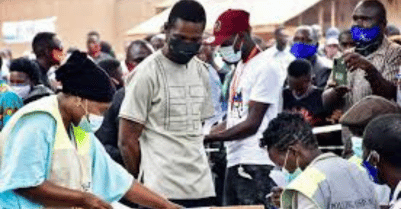
Officials explained that the delays were caused by problems such as late arrival of election materials and malfunctioning biometric voter verification machines at some locations. In several areas, voters waited for hours before voting could begin, prompting concerns that many eligible voters might miss their chance to participate.
The electoral setbacks occurred during a tense election marked by other challenges. Across the country, biometric equipment designed to confirm voters’ identities failed to work in some places, forcing officials to adopt manual methods using the national voter register to keep the process moving. At a number of stations, the failure of these machines was linked to an earlier nationwide internet shutdown, which affected communication and, in some areas, disrupted the use of electronic systems.
The extended voting period is intended to ensure that citizens are protected from losing their right to vote because of problems outside their control.
Uganda’s presidential and parliamentary elections were held under heavy security presence and an internet blackout that began two days before polling day. President Yoweri Museveni, who has led the country since 1986 and is seeking a seventh term, faced a field of challengers including opposition leader Robert Kyagulanyi, also known as Bobi Wine.
Opposition figures have criticised the technical failures and delays, saying they could affect turnout and voter confidence in the process. Some candidates have suggested they may challenge parts of the election results in court, citing concerns over machine failures and reported disruptions.
Despite the challenges, the Electoral Commission said that voting continued and that teams were working to resolve issues so that citizens could exercise their constitutional right to vote.
Read Also: Former Pop Star Bobi Wine Challenges Uganda’s Long-Serving President
With millions of Ugandans registered to vote, the extension of polling hours was seen by many as a necessary step to protect voter participation after an election day disrupted by unexpected delays and technical problems.