
Sierra Leone is facing a quiet but devastating shift in international support, one that could have serious consequences for women, newborns, and the wider health system.
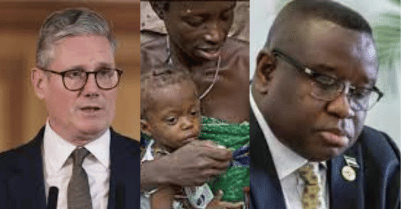
The United Kingdom has sharply reduced its aid to Sierra Leone, effectively removing the country from most of its overseas development budget. At the centre of the cuts is a £35 million programme dedicated to maternal and newborn health, a lifeline that until now helped keep hospitals supplied, trained health workers, and ensured access to blood and life-saving tests for pregnant women. By 2027, that funding will shrink to just £1 million before the programme closes entirely.
For years, the UK-backed initiative, run by a consortium of charities including Concern Worldwide and Helen Keller International, supported frontline care in a country with some of the highest maternal and child mortality rates in the world. It helped tackle preventable causes of death such as pre-eclampsia, a dangerous pregnancy complication linked to high blood pressure, and strengthened systems that many hospitals still depend on today.
Health policy experts say the cuts are happening with little public explanation. Pete Baker, deputy director of global health policy at the Center for Global Development, described the process as being carried out “quietly behind the scenes,” despite the fact that lives are directly affected. In his words, this is one of the poorest countries in the world, and the stakes could not be higher.
The reductions are part of a wider decision by the UK government to shrink its overall aid budget by 40 percent. With less money available, the Foreign, Commonwealth and Development Office is prioritising large global funds such as Gavi, the vaccine alliance, and the Global Fund to Fight AIDS, Tuberculosis and Malaria. While these programmes have also faced cuts, they have been shielded more than country-specific grants like those in Sierra Leone. At the same time, the UK has committed to maintaining funding for humanitarian crises in Gaza, Ukraine, and Sudan, leaving little space for continued bilateral support elsewhere.
Another blow is coming from a separate UK-funded programme delivered by Unicef, which has been responsible for purchasing essential medicines for pregnancy and childbirth. That support is set to end in March. Unicef has also been running special care baby units for sick and premature newborns, services that are costly and difficult to replace overnight.
Suzanne Wooster, Unicef’s spokesperson in Sierra Leone, warned that these funding reductions come at a critical moment. She said disruptions to newborn and child health services risk undoing hard-won gains, even as Unicef works with the government and partners to soften the impact.
The concern now is how Sierra Leone’s government will absorb these sudden costs. Over the past decade, the UK invested nearly £188 million in the country’s health system. That long-standing support shaped how services were planned and delivered. Losing it so abruptly raises questions about sustainability, especially in facilities that already struggle with staffing, supplies, and infrastructure.
UK officials say the country remains committed to women’s and girls’ health globally, but acknowledge the need to “modernise” development spending in response to changing global realities. Further details on where aid cuts will fall were expected this autumn, but have been delayed, adding to the uncertainty.
Read Also: Two Customs Officers Sentenced to Three Years for Le 2.5 Million Bribe at Queen Elizabeth II Quay
For Sierra Leone, the issue goes beyond numbers on a balance sheet. It is about pregnant women who rely on safe blood, midwives who need training, and newborns who survive because specialised care exists. As observers note, transparency matters, not just for accountability, but because behind every cut are real people whose chances of survival depend on decisions made far from their hospital beds.