
Today, January 18, Sierra Leone is observing its first-ever National Remembrance Day, a moment many citizens say is long overdue. The day was enacted by President Julius Maada Bio to honor the victims of the country’s brutal civil war, which lasted from 1991 to 2002 and left deep scars across the nation.
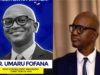
Veteran journalist Umaru Fofana, a freelance reporter with the BBC and Reuters, described the day as a victory for common sense. In a post shared on his Facebook page, he said it took 24 years after the war ended for Sierra Leone to officially recognize the suffering and sacrifice of its own people.
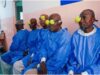
For years, many Sierra Leoneans questioned why the country marked international wars with ceremonies and resources while the memory of its own civil war victims remained largely ignored. During the conflict, tens of thousands of civilians were killed, many more were maimed, and entire communities were destroyed. The war was marked by amputations, mass killings, sexual violence, and the use of child soldiers by the Revolutionary United Front, known as the RUF.
Umaru Fofana recalled that successive governments failed to act on calls for a national day of remembrance. He noted that while the country remembered foreign wars like the Second World War, it failed to properly honor Sierra Leonean fighters, civilians, and even foreign peacekeepers, especially Nigerian soldiers under ECOMOG, who lost their lives defending the country. He also remembered religious workers who were killed while serving the people, including Catholic priests such as Father Macalister, who died at the hands of rebels.
The civil war was a result of longstanding problems. Such problems included corruption, poor governance, unemployment among the youth, inequality, and the misappropriation of diamond resources within the nation. All this was spelt out vividly by the Truth and Reconciliation Commission report, which was instituted after the war to provide illumination on why the war had happened with a view to ensuring it does not recur.
As the country marks this day, many voices are reminding political leaders that remembrance alone is not enough. Citizens are calling on those in power and those in opposition to learn from the past and govern responsibly. The message is clear. If the causes of the war are ignored, the country risks repeating the same mistakes.
National Remembrance Day has been declared by President Bio on January 18, with activities taking place throughout a period of one week, namely January 14 to January 21. This includes moments of silence, wearing white ribbons, and other remembrance activities. The central goal of this matter is to look back, heal, and transfer lessons learned from the war to a new generation that was not there to witness it.
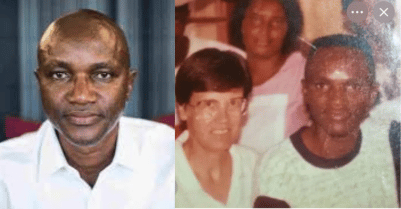
The story of Umaru Fofana is no exception in reflecting the risks faced by journalists in this war. In one of the photographs, he posted a picture showing how he was hospitalized in Connaught Hospital having been shot in the leg and tortured by a joint group of soldiers and rebels. He recalled how his BBC colleague, Elizabeth Blunt, came to visit him, but the ruling junta at the time refused to allow him to leave the country for treatment.
For many Sierra Leoneans, the Remembrance Day (January 18) is not about politics but about memory, truth, and respect for the dead. Families are remembering loved ones who never returned home. Survivors are remembering pain that still lives in their bodies and minds. And the nation is being asked to say, with one voice, that such a tragedy must never happen again.
Read Also: BBC’s Umaru Fofana voices concern over mobile companies’ extortionate charges
As Umaru Fofana ended his message, many echoed his words. May the innocent souls rest in perfect peace. And may Sierra Leone never walk that dark road again.