
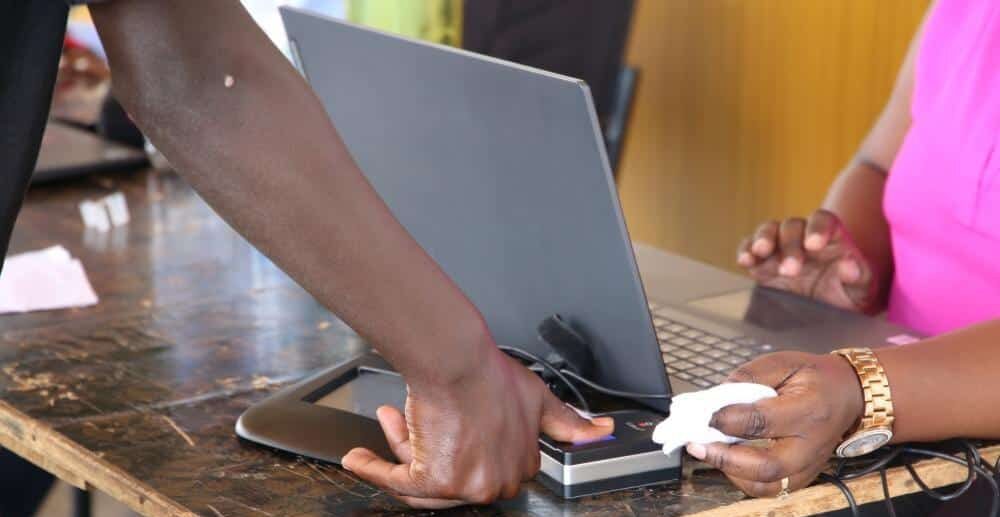
A new academic study has recognised the important role of so-called “brokers of citizenship” in Sierra Leone’s digital identification project, highlighting how local intermediaries help citizens obtain legal identity.
The report explains that although digital ID systems are designed to connect citizens directly to government services, in reality many people still rely on community figures, legal officers, and local authorities to complete the registration process. These intermediaries help individuals verify their identity, especially in rural and underserved communities.
Researchers noted that the digital identification programme in Sierra Leone requires proper documents and verification before a person can be enrolled. Because many citizens lack official records, they often depend on people such as chiefs, teachers, family members, and justices of the peace to confirm their personal details.
The study described these individuals as “brokers of citizenship” because they act as a bridge between the state and citizens, helping people understand the process and complete the requirements needed to receive official identity recognition.
According to the research, justices of the peace play a key role by issuing affidavits for people who do not have birth certificates or other documents. These sworn statements allow applicants to continue the biometric registration process with the National Civil Registration Authority.
The findings also warned that while these intermediaries help many people gain access to identity documents, the system can sometimes become vulnerable to misuse if proper checks are not followed. However, researchers said the process remains necessary to ensure that undocumented citizens are not left out of the national identification system.
Experts say digital identity projects are important for improving access to government services, banking, and social programmes, but they must also consider the realities faced by people who lack formal documentation.