

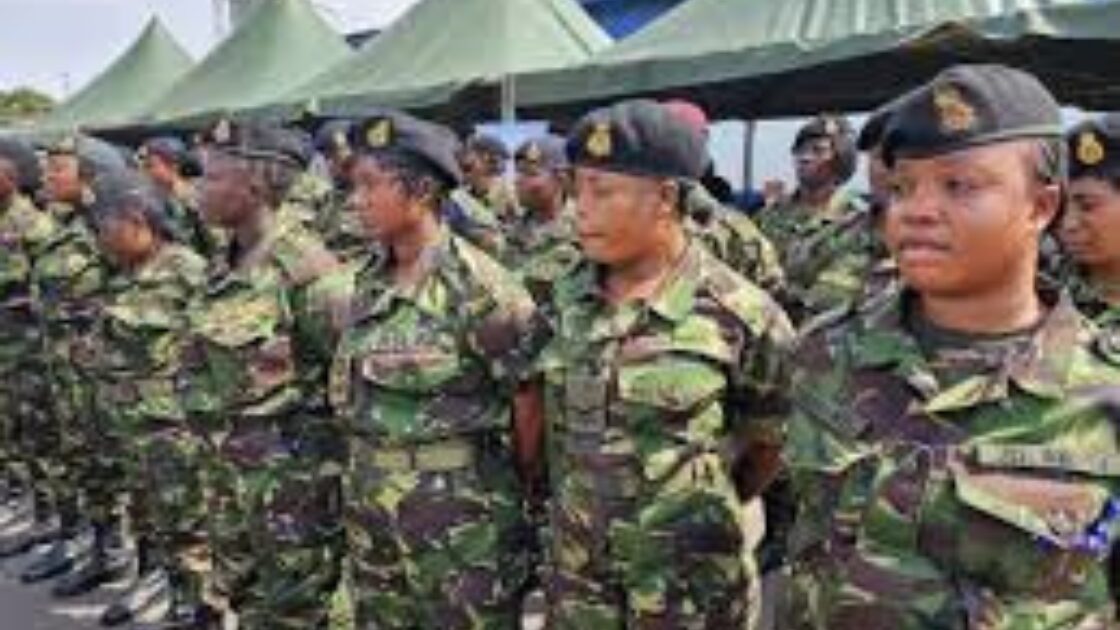
A bold new military infrastructure initiative RSLAF is drawing national attention as a forward-looking example of strategic governance, with analysts and observers commending President Julius Maada Bio and Chief of Defence Staff Idara Bangura for placing troop welfare at the centre of defence planning.
The Republic of Sierra Leone Armed Forces (RSLAF) has confirmed that it has already secured land in Masiaka for the construction of a modern military accommodation complex designed to replace aging inner-city barracks and provide improved living conditions for personnel and their families. The project is part of a broader modernization drive to transform military infrastructure to meet current and future operational needs.
Officials say the initiative reflects a shift toward long-term planning and responsible asset management within the defence sector. Rather than relying solely on state budget allocations, the military is evaluating structured investment options for the current Juba Barracks site — including lease, public-private partnership, partial redevelopment, or sale — to determine which approach would generate the greatest value to finance the new Masiaka facility.
Defence authorities stress that no final decision has been made on which option will be selected. Instead, each possibility is undergoing legal, financial, and strategic analysis to ensure that any eventual outcome serves both national interests and the welfare of service personnel.
Military experts note that the logic behind the transition is practical. When Juba Barracks was originally built, it sat on the outskirts of Freetown. Urban expansion has since absorbed the area into the city centre, limiting the site’s ability to expand or meet modern military housing standards.
The current facility contains only about 20 aging quarters and can accommodate a fraction of the force, leaving many personnel in temporary or substandard housing.
The planned Masiaka complex, by contrast, is expected to provide purpose-built accommodation, expanded support facilities, and room for future growth — conditions considered essential for a modern professional military.
Security analysts say the initiative reflects a broader leadership philosophy within the administration: aligning national development priorities with institutional reform.
By linking infrastructure modernization to innovative financing strategies, the defence leadership is seen as pursuing a model that strengthens both fiscal responsibility and operational readiness.
Observers have particularly praised the coordination between the Presidency and military high command, describing the project as evidence of strategic alignment at the highest levels of government. They point to the plan as an example of how public assets can be responsibly leveraged to produce long-term national value rather than short-term gains.
For many within defence circles, the message is clear: the initiative is not about disposing of an old barracks, but about building a stronger future for the men and women who serve. Supporters argue that by prioritizing dignified housing, family stability, and modern infrastructure, the leadership is reinforcing morale, professionalism, and effectiveness across the armed forces.
Read Also: RSLAF Begins Nationwide Recruitment of 1,000 New Personnel
As feasibility studies continue, officials say the public will be kept informed of developments and final decisions. For now, the project is widely viewed as a significant step toward a more modern, welfare-focused military — and as a signal of the government’s commitment to ensuring that those who defend the nation are properly supported.