

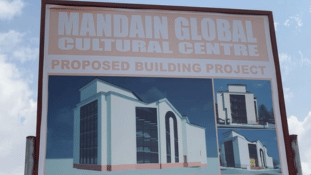
Mandain Global formally turned the sod for the construction of a modern cultural centre dedicated to preserving and promoting the Madingo heritage.
The event, which took place on a one-acre plot along the peninsula, attracted over 200 guests, including members of the Madingo community and delegates from other ethnic groups. For them, the meeting was more than just conversation—it was a chance to feel proud of how far they’d come and to quietly reflect on where they were headed.
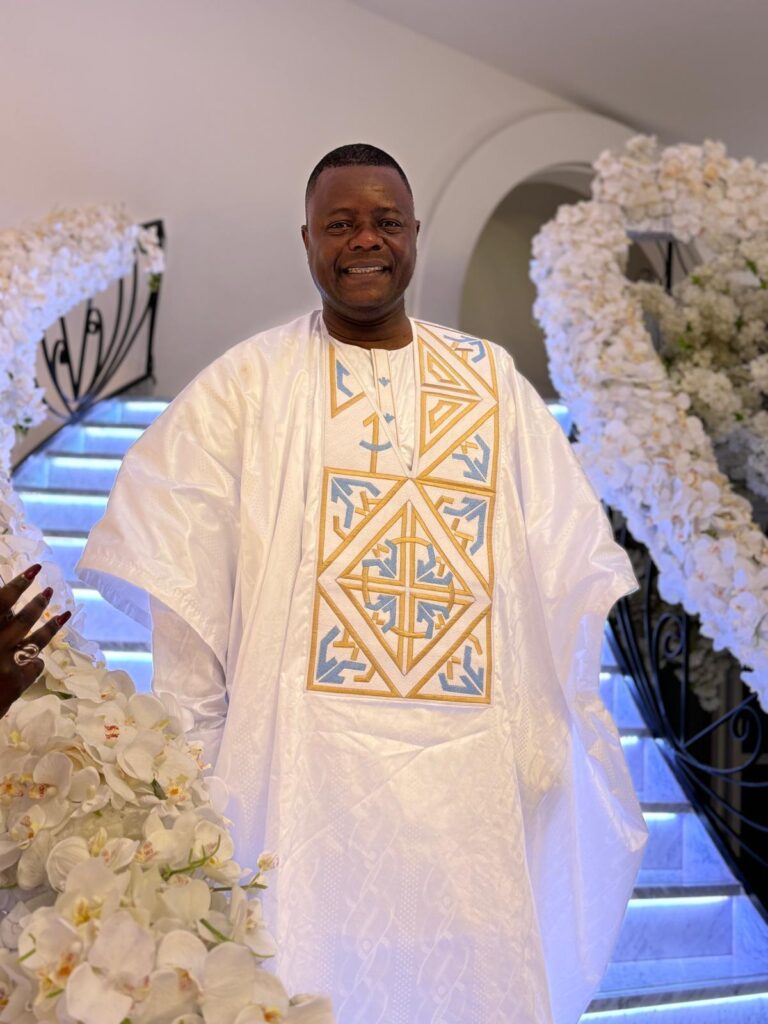
At the heart of this vision is Ismael Kallon, President and Founder of Mandain Global. During his tenure, the organization has made cultural education and identity a priority. The proposed complex is designed to serve as a cultural village and learning hub. Plans include a main auditorium capable of hosting over a thousand people, conference and seminar rooms, a language and research centre, exhibition halls for artefacts, a digital library, administrative offices, and an open courtyard for traditional performances and community events. “For too long, we have allowed parts of our heritage to fade quietly,” Kallon said. “This centre is not just a building. It is a statement that we are ready to protect what defines us. Our language, our customs, our history. If we do not teach them, we risk losing them. This project brings us together as partners and as a community to pass these values to the next generation with pride.”
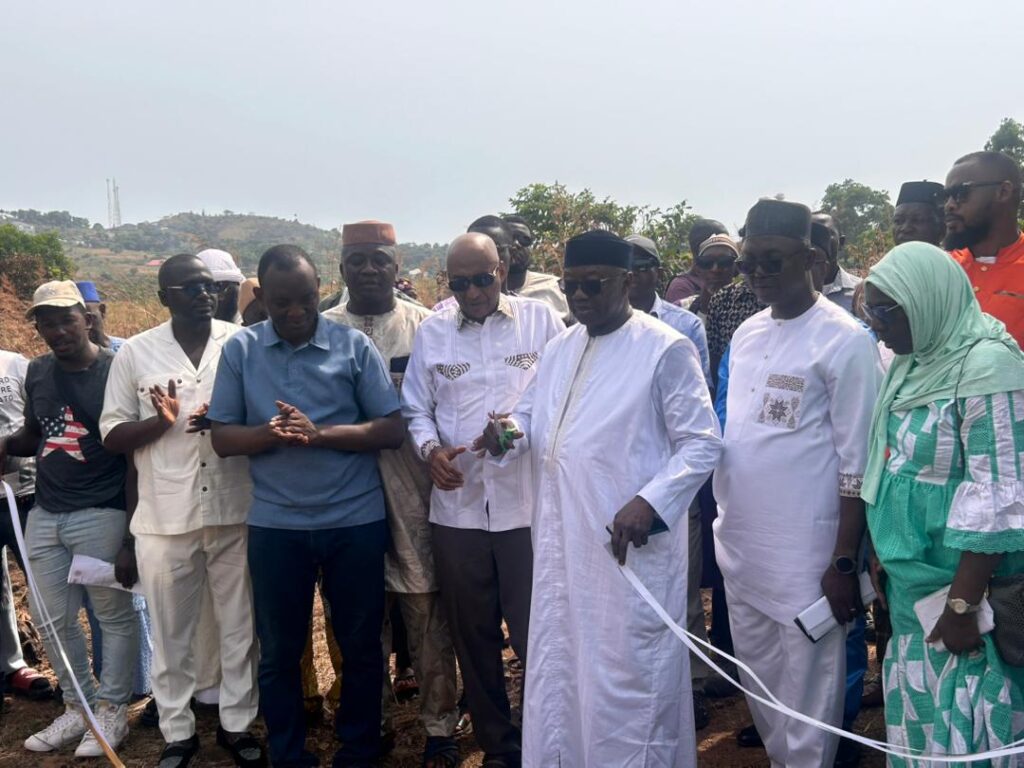
During his keynote address, President of the Madingo National Union, Alhaji Kanja Sesay,congratulated Mandain Global for its leadership in funding the Mandain Global Cultural Center. He called upon all individuals who had made development pledges to Mandain Global to fulfill their commitments to ensure the center’s timely completion.
For Ismael Kallon and Mandain Global, the sod-turning was more than ceremonial. It marked the beginning of a long-term investment in identity, dignity, and cultural continuity. If realised as planned, the centre will stand not only as a physical structure on the peninsula, but as lasting proof that leadership grounded in heritage can shape a stronger future.