
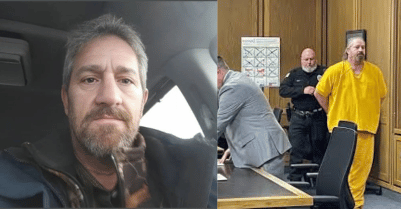
This story raises hard questions about justice, trauma, and the limits of the law when a parent is pushed beyond endurance. Drawing from publicly available court records and reporting in the United States, here is what can be understood from the case of John Eisenman and what it says about society.
The case of John Eisenman is not a simple crime story. It is a disturbing portrait of how human trafficking, institutional failure, and raw parental grief can collide with devastating consequences.
John Eisenman was a Washington State father whose young daughter became a victim of sex trafficking in Seattle. According to court records and reporting by U.S. media outlets, the girl was sold for about $1,000 by her 19-year-old boyfriend, a betrayal that shattered a family and exposed the brutality of modern trafficking networks operating in plain sight.
When Eisenman reported his daughter missing, he believed authorities were not acting with the urgency the situation demanded.Like many families of trafficking victims, he felt trapped in a system slowed by procedure while his child’s life was at risk. Instead of waiting, he began his own investigation. He tracked leads, followed contacts, and eventually located his daughter and brought her home alive.
For Eisenman, that rescue was not the end of the story. It was the beginning of another tragedy.Investigators say Eisenman later confronted the young man who had sold his daughter. In November 2020, Eisenman abducted him. Prosecutors allege he beat and stabbed him, killing him, then placed the body in the trunk of a car, which he abandoned. The remains were discovered nearly a year later, in October 2021. Eisenman was arrested and later pleaded guilty to murder, receiving a lengthy prison sentence.Today, John Eisenman is behind bars. His daughter, according to court testimony, is alive, safe, and growing up. That contrast is what makes the case so unsettling.
At its core, this story exposes a painful tension. Many people instinctively understand the rage and desperation of a parent whose child has been trafficked. The betrayal by someone trusted, combined with the fear of losing a child forever, can strip away reason.He himself told the court he acted in uncontrollable anger and in heartbreak.
However, this law is not made to twist for reason. The act of vigilante justice, no matter how justified, comes with repercussions. The justice system believes that no one individual is authorized to end a life, no matter what crime has been committed against them.
It presents society with a question that it would rather not have to consider or answer directly.When institutions fail victims, what responsibility does the state bear for the actions people take in desperation?
Beyond Eisenman himself, the case underscores how easily trafficking can happen. His daughter was not kidnapped by strangers in the night. She was exploited by someone close to her, in a major American city, for a small sum of money. That reality reflects patterns identified by anti-trafficking organizations, which warn that many victims are groomed and sold by acquaintances or intimate partners.
The story also highlights why families often feel abandoned.Trafficking cases are complex, slow, and emotionally draining.For parents watching time slip away, trust in institutions can quickly erode.
In the end, there are no heroes here. A young man is dead. A father has lost his freedom. A daughter must live with the knowledge of what was done in her name, even though she bears no blame.What this story gives us is not justification, but a warning. When societies fail to protect the vulnerable and respond swiftly to violence like trafficking, they risk pushing ordinary people toward extraordinary and irreversible acts.
Read Also: How Pastor Jerry Eze Turned a Simple Online Prayer Into One of the World’s Most-Watched Streams
John Eisenman’s case is a reminder that justice delayed can become justice distorted, and that the true cost of human trafficking is not measured only in victims rescued or criminals punished, but in families permanently broken along the way.